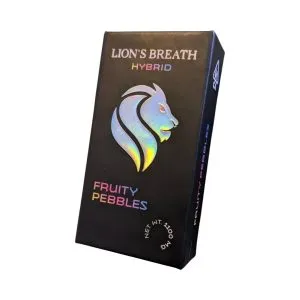

Description
Understanding THC Vape Cartridges: Technology, Safety, and Consumer Awareness
Introduction: The Rise of THC Vape Cartridges
In the fast-evolving cannabis industry, THC vape cartridges have emerged as one of the most popular and convenient ways to experience cannabis. Compact, discreet, and flavorful, these devices offer an alternative to traditional smoking by delivering concentrated cannabis oil vapor through a battery-powered pen.
But as popularity increases, so does the need for consumer education. Understanding how THC cartridges work, how they’re made, and how to identify safe, lab-tested products is crucial for anyone navigating today’s cannabis market.
What Are THC Vape Cartridges?
THC vape cartridges, often referred to as “vape carts” or “oil carts,” are pre-filled containers of cannabis extract designed for use with a compatible vaporizer battery.
Each cartridge typically contains:
-
THC oil or distillate: The psychoactive component of cannabis responsible for its effects.
-
Terpenes: Natural compounds that give cannabis its unique aroma and flavor.
-
Hardware: A small, heat-resistant cartridge with a coil and mouthpiece designed for even vaporization.
Unlike smoking, vaping heats cannabis oil at a controlled temperature, turning it into inhalable vapor without combustion, reducing exposure to harmful byproducts associated with smoke.
How THC Vape Cartridges Are Made
Cannabis Selection
The process begins with choosing high-quality cannabis plants. Different strains,Sativa, Indica, and hybrid varieties, offer unique profiles of cannabinoids and terpenes that affect both flavor and effects.
Extraction Techniques
Manufacturers use advanced extraction methods to isolate cannabinoids like THC from the raw plant. The two most common are:
-
CO₂ Extraction: A clean and efficient method using pressurized carbon dioxide to extract cannabinoids without leaving chemical residue.
-
Solvent-Based Extraction: Involves ethanol or butane, later removed through purification and testing.
Both methods yield THC-rich oils used in vape cartridges, though CO₂ extraction is often preferred for its purity and environmental safety.
Refinement and Testing
Once extracted, the oil undergoes distillation and lab testing to ensure potency and purity. Responsible manufacturers publish Certificates of Analysis (COAs) showing cannabinoid content and confirming the absence of pesticides, heavy metals, or residual solvents.
Purity, Potency, and Safety: What to Look For
Certified Lab Testing
Always look for vape cartridges that are lab-tested by licensed third-party facilities. Legitimate products will have clear labeling that lists:
Avoiding Counterfeit Products
Counterfeit vape cartridges remain a major problem in the unregulated market. Consumers should:
-
Buy only from licensed dispensaries or verified online retailers.
-
Check for authentic packaging, holographic seals, and verifiable brand websites.
-
Avoid carts sold without testing data or at unusually low prices.
Hardware Quality
Genuine cartridges use medical-grade glass or ceramic materials and 510-thread batteries. Poor-quality hardware can affect vapor taste or even leach contaminants into the oil.
THC Cartridge Effects and Consumer Experience
THC vape cartridges deliver effects quickly because vaporized cannabinoids enter the bloodstream through the lungs. The experience varies based on the strain, potency, and individual tolerance.
Common Effects
-
Euphoria and relaxation
-
Increased creativity or focus (Sativa-dominant oils)
-
Body calm and stress relief (Indica-dominant oils)
-
Enhanced mood and sensory perception
Effects typically last between one and three hours, making vaping a controllable and fast-acting method for both recreational and medical users.
Possible Side Effects
Even with quality products, some users may experience:
-
Dry mouth or red eyes
-
Temporary dizziness or fatigue
-
Mild anxiety at higher doses
To minimize side effects, start with low doses and wait before taking additional puffs. Responsible, gradual use helps users find their ideal comfort level.
Legal Considerations in the United States
The legality of THC cartridges in the U.S. depends on state laws. While some states have legalized recreational or medical cannabis, others still restrict THC-containing products.
Key Legal Points
-
Legal states: Such as California, Colorado, and Michigan, permit licensed sales through dispensaries.
-
Medical-only states: Require valid patient cards for THC purchases.
-
Prohibited states: Possession or sale remains illegal under federal law.
Consumers should always verify their local regulations before purchasing or transporting any THC product.
Medical Applications and Research Insights
THC vape cartridges are increasingly being studied for their potential therapeutic applications, especially when derived from lab-tested and standardized cannabis oils.
Possible Medical Uses
Preliminary research and anecdotal reports suggest THC vapor may help:
-
Manage chronic pain
-
Reduce stress and anxiety
-
Stimulate appetite
-
Improve sleep quality
However, it’s important to note that more clinical studies are needed to confirm long-term safety and efficacy. Medical patients should consult healthcare professionals before using THC-based products.
Storage and Shelf Life: Keeping Your Cartridge Fresh
Proper storage preserves flavor, potency, and overall performance.
Tips for Storing THC Cartridges
-
Keep in a cool, dark place away from heat and sunlight.
-
Store upright to prevent oil leaks.
-
Avoid freezing or overheating batteries.
Most THC cartridges maintain quality for 6–12 months when stored properly.
Recognizing and Avoiding Fake or Unsafe Cartridges
Unfortunately, the growing popularity of vape carts has led to counterfeit versions entering the market. Fake cartridges often contain diluted oils or harmful additives.
Signs of a Counterfeit Product
-
No lab testing information or brand verification code.
-
Oil appears cloudy, overly thick, or discolored.
-
Packaging has typos, missing seals, or poor print quality.
Safe Buying Practices
Always:
-
Verify the brand’s official website.
-
Cross-check the dispensary license.
-
Ask to see the lab test results before purchase.
Safety and transparency are hallmarks of reputable cannabis companies.
Responsible Use and Best Practices
THC vape cartridges are potent. Using them responsibly enhances enjoyment and safety.
Best practices include:
-
Start low, go slow—especially for first-time users.
-
Use clean devices—wipe the mouthpiece regularly.
-
Avoid mixing substances, such as alcohol, when vaping.
-
Know your tolerance and avoid overconsumption.
-
Never drive or operate machinery while under the influence.
These habits promote a balanced and mindful experience.
The Future of THC Vaping
As legalization expands, the THC vaping sector continues to evolve with innovations in hardware design, extraction purity, and terpene formulation. Future trends include:
-
Sustainable packaging and eco-friendly production.
-
Custom terpene blends for precise flavor experiences.
-
Smart batteries with adjustable temperature control.
Consumer education will remain vital to ensure safe, transparent, and ethical growth in the cannabis vapor industry.
Conclusion: Knowledge Is the Key to Safe Cannabis Use
THC vape cartridges offer a convenient, flavorful, and efficient way to enjoy cannabis, but informed choices are essential. By understanding how cartridges are made, the importance of testing, and safe usage practices, consumers can confidently navigate the cannabis market while prioritizing health and compliance.
Whether you’re a curious beginner or an experienced enthusiast, staying educated helps you enjoy THC products responsibly and safely in a rapidly expanding industry.