
Description
Pink Runtz: The Science, Culture, and Innovation Behind a Modern Cannabis Icon
Introduction
Among the many cannabis cultivars that have drawn global attention, Pink Runtz stands out for its vivid coloration, complex aroma, and cultural impact. From its genetic origins to the science behind its aromatic profile, this article explores what Pink Runtz represents in the broader evolution of cannabis genetics and consumer awareness.
Origins and Genetic Heritage
Pink Runtz is believed to descend from the crossing of Zkittlez and Gelato, two benchmark strains known for their fruit-forward terpene profiles and balanced cannabinoid ratios.
Genetically, it is considered a hybrid, often leaning toward an equilibrium between sativa-dominant and indica-dominant phenotypes depending on breeder selection.
This hybridization created a cultivar that became a model for flavor-driven breeding, emphasizing aromatic diversity and visual appeal over sheer potency.
The Science of Aroma and Flavor
The sensory signature of Pink Runtz comes from its terpene composition, aromatic hydrocarbons found in many plants.
Commonly reported dominant terpenes include:
-
Limonene – responsible for citrus brightness
-
Caryophyllene – adds spice and depth
-
Linalool – contributes floral and lavender notes
-
Myrcene – imparts earthy, sweet undertones
The interplay of these compounds creates the recognizable candy-like scent that inspired its confection-themed name. In analytical chemistry, terpene ratios are now a key differentiator in strain classification, providing measurable parameters for flavor profiling and research.
Horticultural Science and Cultivation Research
From a cultivation standpoint, Pink Runtz has drawn interest among horticultural scientists because of its pigmentation.
The pinkish hue seen in certain phenotypes arises from anthocyanin accumulation, a group of flavonoid pigments influenced by genetics and environmental triggers such as temperature, pH, and light spectrum.
Controlled studies show that:
-
Cooler nighttime temperatures encourage anthocyanin expression.
-
Balanced nutrient ratios of phosphorus and potassium support pigment development.
-
Stable photoperiods (typically 12 hours of light and 12 hours of darkness) are required during flowering to ensure optimal bud formation.
While many growers experiment with these variables, agricultural researchers emphasize compliance with local cultivation laws and safe laboratory conditions for any botanical research.
Appearance and Visual Appeal
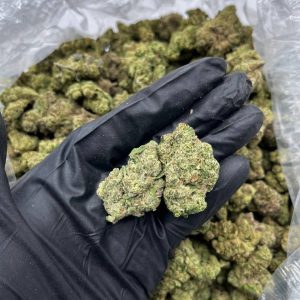
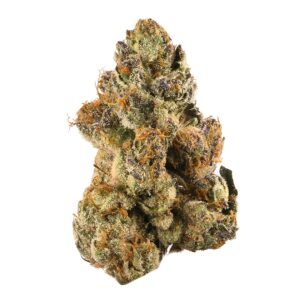
Visually, Pink Runtz is recognized for:
-
Dense trichome coverage gives a frosted look
-
Color gradients ranging from green to magenta
-
Orange pistils contrasting with crystalline surfaces
These aesthetic properties have made it a favorite in photography and packaging design, influencing the way cannabis is branded and presented within legal markets.
Reported User Perceptions and Research Context
In regions where cannabis is regulated for study, laboratory, and survey data describe Pink Runtz as producing balanced subjective effects when evaluated for sensory feedback, mood, and relaxation metrics.
Researchers categorize such hybrids as potentially bimodal, capable of eliciting both uplifting and calming sensations depending on dosage, setting, and individual tolerance.
It is important to emphasize that subjective reports are not clinical evidence. Ongoing research continues to explore how terpene-cannabinoid interactions may influence perceived effects.
Therapeutic and Scientific Exploration
Academic interest in cultivars like Pink Runtz focuses on:
-
Terpene pharmacology: potential anti-inflammatory or anxiolytic properties under study.
-
Cannabinoid synergy (the entourage effect): how multiple compounds may interact to modulate outcomes.
-
Personalized medicine: exploring how genetic variation in human endocannabinoid receptors affects response to hybrid strains.
Current medical research remains preliminary, emphasizing controlled clinical settings rather than anecdotal use.
Safety, Regulation, and Responsible Awareness
Because Pink Runtz is a cannabis derivative, its legal status varies globally.
Consumers and researchers must observe:
-
Local and federal regulations regarding possession, sale, and study.
-
Product labeling laws ensure transparency about cannabinoid content.
-
Testing requirements for contaminants such as heavy metals, pesticides, or residual solvents.
Regulatory frameworks increasingly require third-party laboratory verification to protect consumers and standardize quality.
Cultural Significance and Branding
The cultural reach of Pink Runtz extends beyond dispensary menus. It appears in:
-
Music lyrics and lifestyle branding symbolize premium quality.
-
Digital communities where enthusiasts discuss phenotype variation and flavor notes.
-
Art and design, influencing color palettes and packaging aesthetics within the legal cannabis industry.
This cultural prominence reflects a broader trend: cannabis as a design and identity object rather than merely a product.
Environmental Sustainability in Cultivation
As demand for visually distinct strains grows, sustainability has become a central concern.
Modern cultivation initiatives focus on:
-
Closed-loop irrigation systems to reduce water waste.
-
LED horticultural lighting for energy efficiency.
-
Organic soil amendments to maintain biodiversity.
-
Carbon-neutral operations certified through agricultural sustainability programs.
Pink Runtz’s popularity has encouraged discussion about how boutique genetics can coexist with environmentally responsible practices.
Public Perception and the Future of Hybrid Strains
The future of strains like Pink Runtz lies in scientific transparency and genetic mapping.
With advances in genomic sequencing, breeders can identify specific alleles linked to pigment production, terpene synthesis, and cannabinoid ratios. These breakthroughs allow for reproducible results, transforming cannabis from anecdotal craft to empirical science.
Expect to see:
-
More data-driven breeding programs
-
Expansion of terpene databases for flavor and aroma research
-
Wider adoption of standardized nomenclature in regulated markets
Pink Runtz thus represents a bridge between traditional cultivation art and modern plant science.
Conclusion
Pink Runtz is more than a cultivar; it is a symbol of how science, culture, and regulation intersect in today’s cannabis landscape.
Its striking appearance, complex aroma, and cultural resonance highlight the sophistication of modern hybrid breeding. Whether studied for its botany, chemistry, or sociological impact, Pink Runtz continues to shape conversations about the future of cannabis innovation, responsibly, transparently, and sustainably.